Facelift in West Palm Beach: Dr. Carlotti's 4D Deep Plane Facelift
The 4D Facelift is my multi-vector, multi-planar (including the “deep plane”) facelift technique, refined over 25 years to restore the face in four dimensions.
Albert Carlotti, MD, FAACS · Fellowship-trained cosmetic surgeon
Facelift surgery, also called rhytidectomy, addresses sagging facial tissue, jowls and changes in the lower face and neck. At BellaNova Cosmetic Surgery in West Palm Beach, Dr. Albert Carlotti uses his 4D Facelift approach to evaluate skeletal support, muscle and fascia, skin, and surface quality before recommending your surgical plan.
The four layers can age differently. Your plan may include repositioning deeper tissue, redraping skin, and evaluating whether additional skeletal support or resurfacing is appropriate. For a closer explanation of the approach, read 4D Facelift: from skeleton to skin.
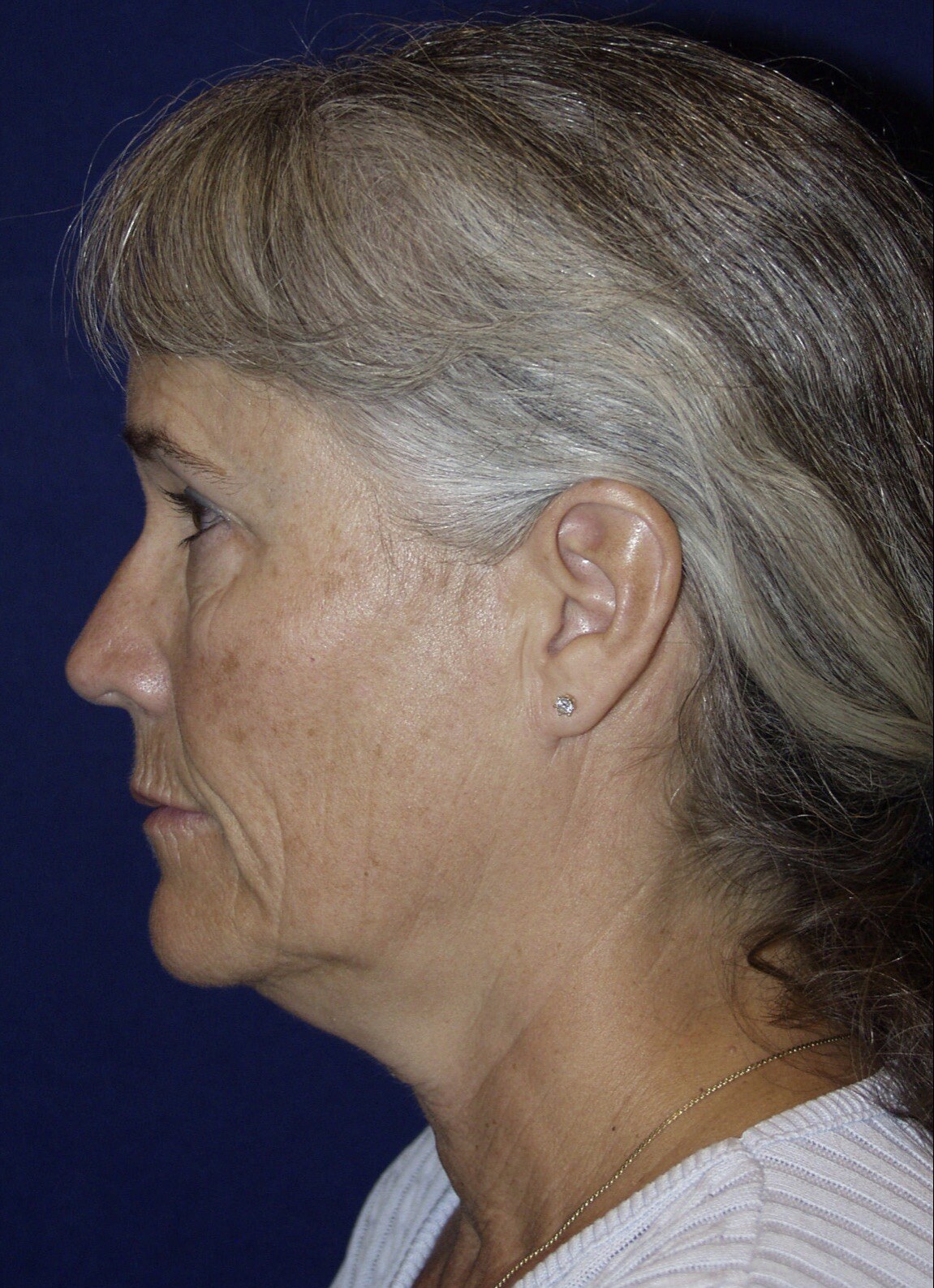
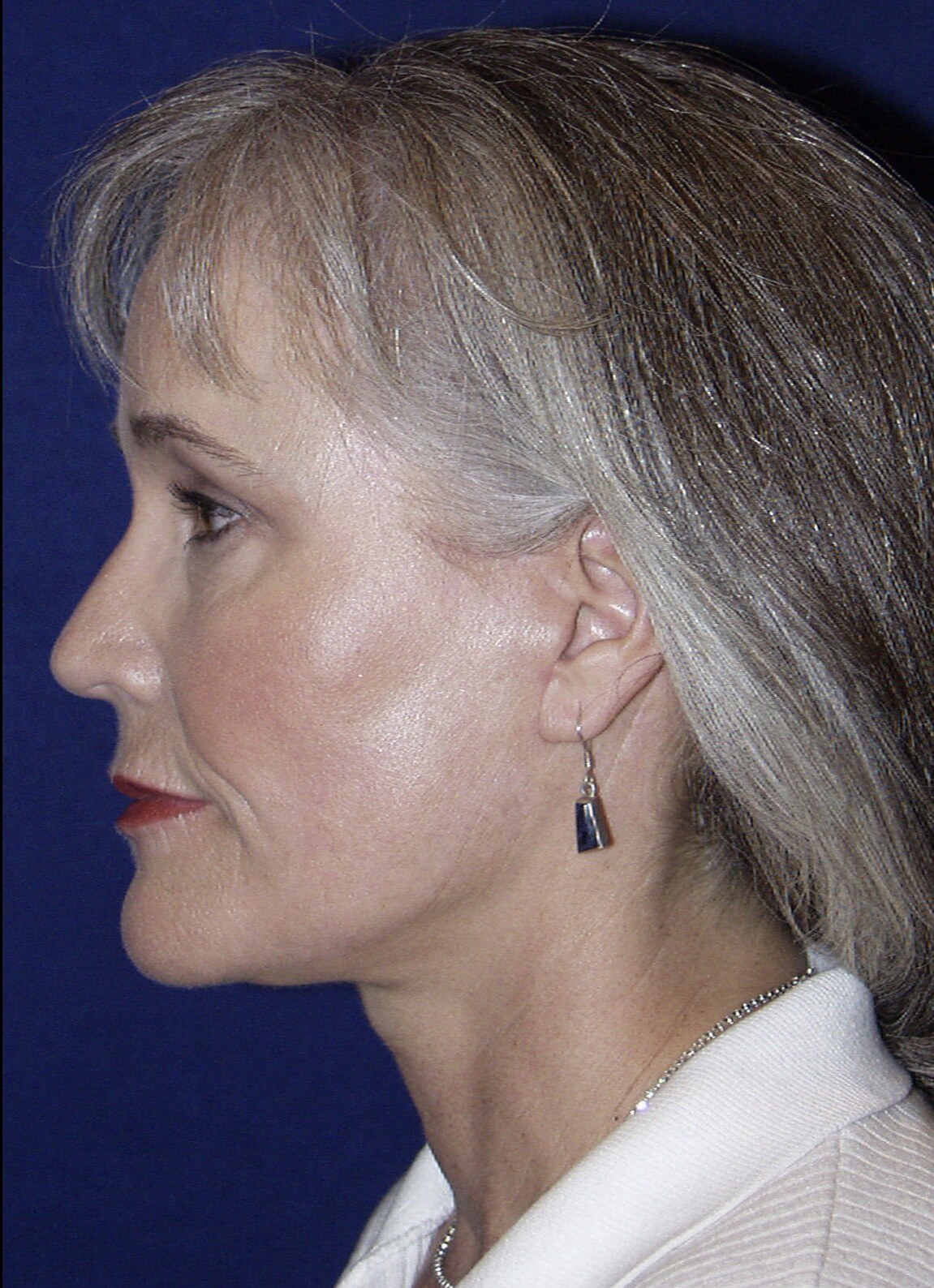
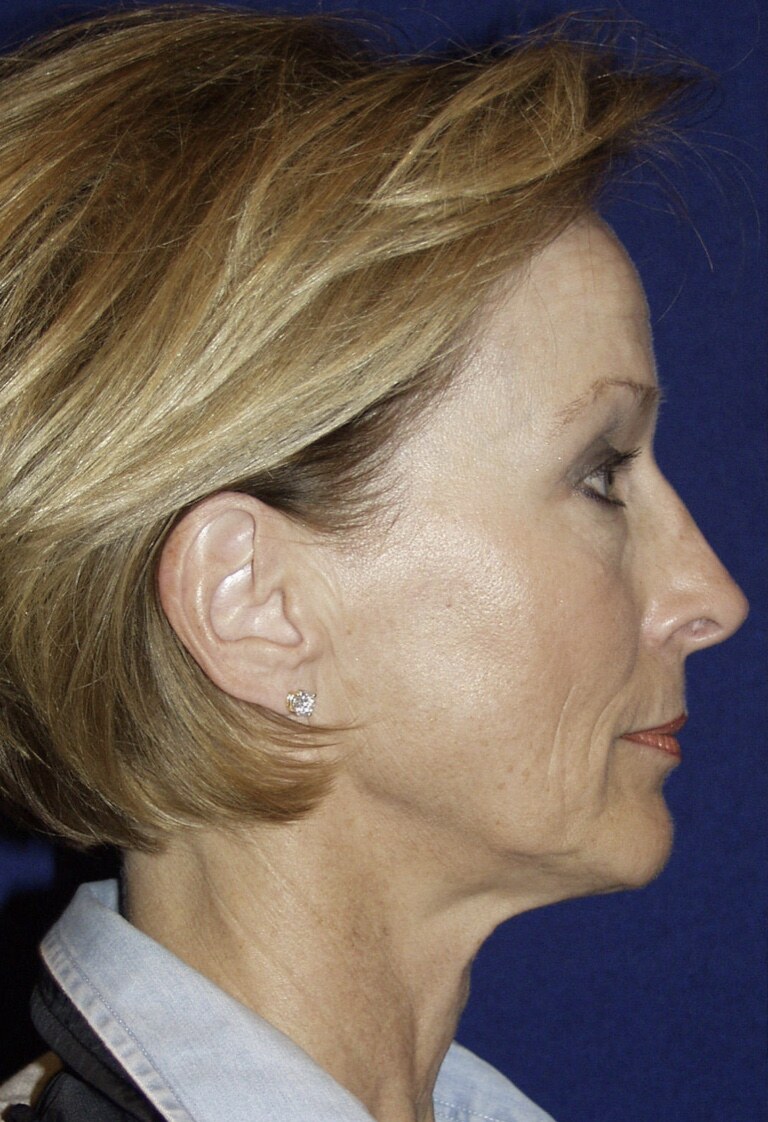
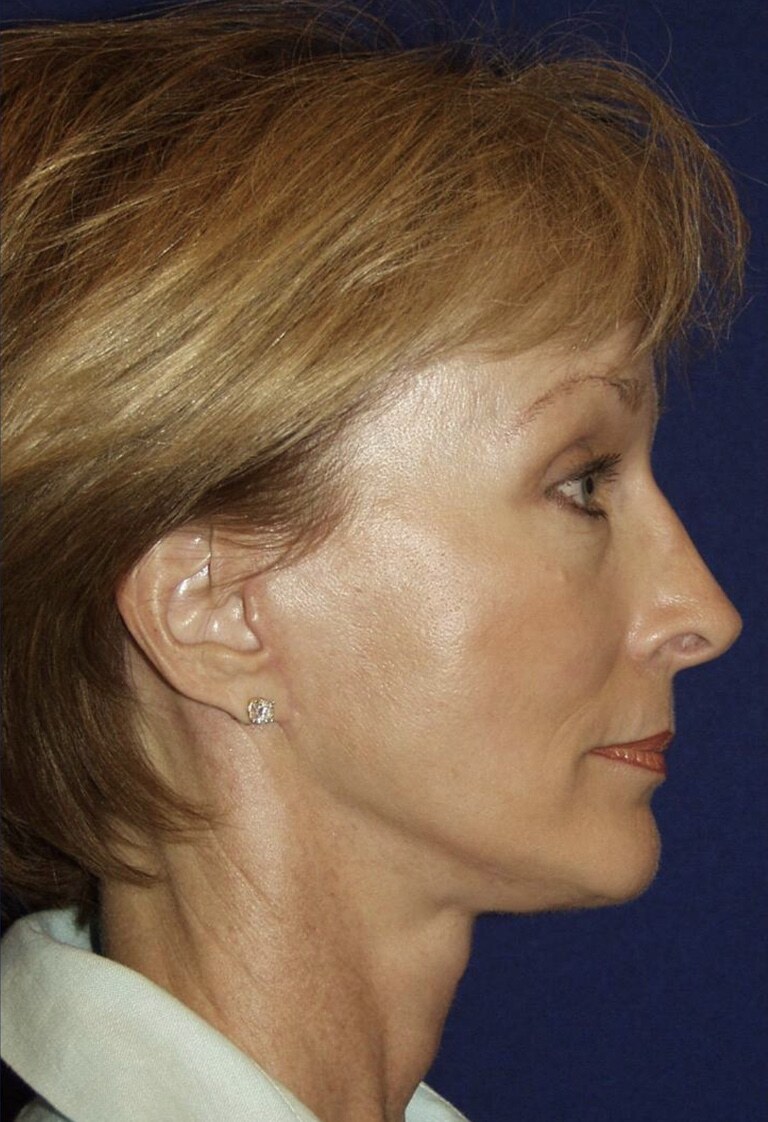
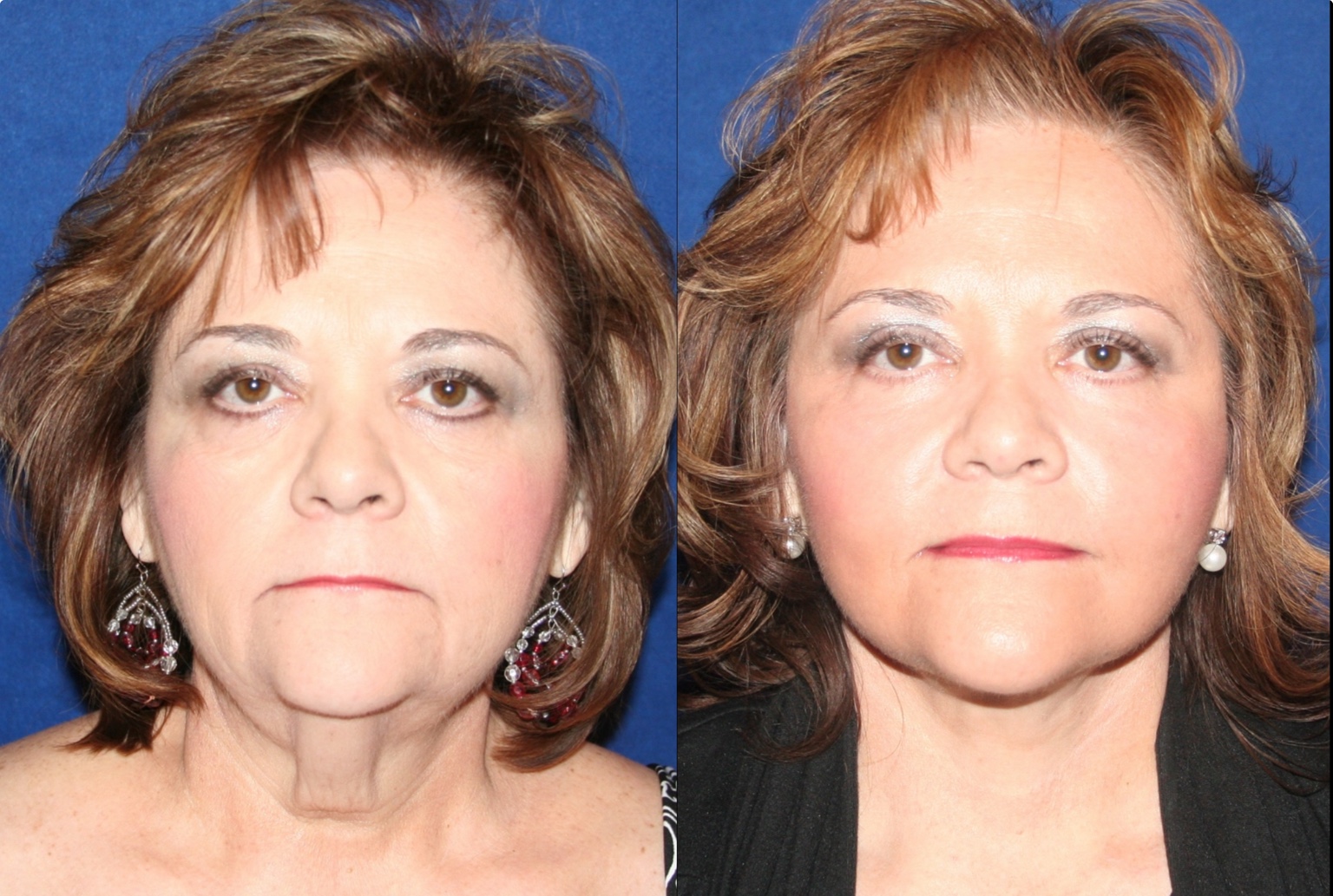
4D Facelift before and after
Explore three cases from Dr. Carlotti's patient gallery. Each caption identifies the combined procedures and the time after surgery.
Result 1 · Profile view
Before3 months after
This 63-year-old woman desired facial rejuvenation. These photographs show her before surgery and 3 months after an endoscopic brow lift, upper and lower blepharoplasty (eyelid surgery), 4D Facelift, and CO₂ laser resurfacing of the face, neck and chest. Individual results vary.
This 59-year-old woman desired total facial rejuvenation. These photographs show her before surgery and 3 months after an endoscopic brow lift, upper and lower blepharoplasty (eyelid surgery), 4D Facelift, and CO₂ laser resurfacing of the face, neck and chest. Individual results vary.
This 66-year-old woman desired total facial rejuvenation. These photographs show her before surgery and 3 months after an endoscopic brow lift, upper and lower blepharoplasty (eyelid surgery), a 4D Facelift, and CO₂ laser resurfacing of the face, neck and chest. Individual results vary.
"Most importantly, my results look natural, refreshed, and lifted — not tight or overdone."
Gisela P. · 4D Facelift · Google review. Read patient reviews. Individual experiences and results vary.
Who is a good candidate?
A good 4D facelift candidate has facial descent, jawline softness, neck change, or surface aging that cannot be corrected by injectables or laser alone.
Loss of definition along the jawline, with early or established jowling
Descent of the midface and cheek fat pads, deepening the nasolabial folds
Laxity of the neck — blunted angle beneath the chin, visible platysmal banding
A need to evaluate chin, jawline or midface support before deciding how much lifting is enough
Reasonable general health, with well-controlled blood pressure and no active nicotine use
Realistic expectations about what surgery changes and what it does not
Surgery does not erase pigment, etched wrinkles or sun damage. Those surface problems may respond to resurfacing, and are often planned alongside a lift rather than instead of it.
What does 4D mean in a facelift?
1. Skeleton. Dr. Carlotti starts with the bony platform: chin projection, mandibular angle, jawline continuity and midface support. A lift can reposition soft tissue, but it cannot make a deficient foundation support that tissue. When the skeleton is part of the problem, implants or skeletal correction may be discussed.
2. Muscle and fascia. The SMAS and platysma are the load-bearing layer of the lower face and neck. A deep plane release may be used here as a technical component, because releasing tethered tissue allows a vertical repositioning vector rather than a pulled lateral vector.
3. Skin. Skin is redraped after the deeper support has been corrected. It should not be the structure holding the lift. That is how Dr. Carlotti avoids the swept, tight signs around the ear and mouth that patients fear.
4. Surface. Fine lines, pigment, texture and sun damage are surface problems. CO₂ resurfacing or other skin treatment may be planned with the lift when appropriate, but surface treatment is not a substitute for structural surgery.
The result is a surgical plan rather than a branded gadget: skeleton, muscle and fascia, skin, and surface evaluated together so the face reads refreshed rather than operated on.
Follow Dr. Carlotti's sequence from the central neck repair through separate tissue planes and suspension directions to skin redraping and CO₂ resurfacing. Pause at any stage or use the slider to explore the movement.
Yes. Dr. Carlotti’s 4D Facelift incorporates deep plane work within his multi-vector, multi-planar facelift technique. Deep plane describes a level at which facial tissues are released and repositioned; 4D describes the broader plan, from skeletal support through muscle and fascia, skin, and surface quality.
The lifting directions and tissue planes are selected for your anatomy. Deeper support is addressed before the skin is redraped, with the goal of restoring contour without relying on skin tension. Skeletal support and CO₂ resurfacing are considered where appropriate, rather than added automatically. Read Dr. Carlotti’s explanation of the four dimensions.
Every 4D Facelift Dr. Carlotti performs includes his submentoplasty neck-reconstruction step. Explore the deep-plane submentoplasty explanation and animation to see how the healthy platysma edges are repaired at the midline and secured to the hyoid periosteum to help define the neck–jaw angle.
Where is surgery performed?
4D facelift surgery is performed at BellaNova Cosmetic Surgery's state-registered Level III surgical center at 1261 S Congress Ave in West Palm Beach, Florida, serving West Palm Beach and the Jupiter-to-Boca corridor.
Consultation, surgery, recovery, and routine follow-up occur in the same facility with the same team. That matters for privacy, continuity, and safety because the operating room, anesthesia process, recovery area, and post-operative visits are all controlled by the practice.
Can jaw or chin surgery be combined?
Yes, when the anatomy calls for it. Chin augmentation, sliding genioplasty, facial implants, or jawline implant planning may be combined with a facelift when skeletal support is part of the aging pattern.
A lift repositions descended tissue. It does not create a chin, mandibular border, or midface platform that is not present. Your consultation considers facial support and soft tissue together so the plan addresses your proportions as well as the changes that concern you.
Facelift recovery: what to expect
Every recovery is individual. This is the pattern most patients follow, and you will receive a written plan specific to your procedure.
When
What to expect
Days 1–3
Head elevated, drains typically removed within 48 hours. Swelling and tightness peak. Discomfort is usually described as pressure rather than sharp pain.
Days 4–7
Sutures at the hairline and in front of the ear begin to come out. Bruising migrates downward into the neck. Most patients are off prescription pain medication.
Weeks 2–3
Presentable in most social settings with light makeup. Numbness in front of the ear is normal and resolves over months. Light walking resumed.
Weeks 4–6
Return to full exercise, cleared individually. Swelling largely settled; the result begins to look like itself.
Months 3–6
Residual swelling resolves, incisions continue to fade, sensation returns. Final contour is judged here, not before.
Year 1+
Scars mature to fine lines hidden in the hairline and ear creases. The result continues to age with you, from a corrected starting point.
A facelift is an operation, and the honest version of the consent conversation covers real risks: bleeding or hematoma (the most common early complication, and the reason blood pressure control matters), infection, delayed wound healing, temporary or, rarely, permanent nerve weakness affecting facial movement, altered sensation, asymmetry, hair thinning near incisions, unfavorable scarring, and the possibility of revision.
Nicotine in any form — cigarettes, vaping, patches, gum — substantially increases the risk of skin loss along the incisions. Dr. Carlotti requires complete cessation before and after surgery.
Every one of these is discussed individually at consultation, in the context of your health history rather than as a generic list.
How much does a facelift cost in West Palm Beach?
Your facelift cost depends on the agreed surgical plan, anesthesia time, facility fees, and whether additional procedures such as neck surgery, eyelid surgery, implants or CO₂ resurfacing are included. A personalized examination is needed to give you a meaningful price.
At consultation, you receive a single written quote covering the surgeon’s fee, anesthesia, facility fees and routine postoperative visits. Ask which procedures are included and which would add to the quote. Read Dr. Carlotti’s guide to understanding and comparing facelift quotes, or review cost and financing options.
Explore photographs of Dr. Carlotti’s patients, published with consent. Look at the face and neck together and review the procedures listed for each case. Individual results vary.
View 4D Facelift before and after photographs.
Your facelift consultation in West Palm Beach
Meet one-to-one with Dr. Carlotti to discuss your goals, health history, facial anatomy, surgical options, risks and recovery. Bring your questions about the neck, eyelids, skin texture and any previous facial procedures so these can be considered in the plan.
4D Facelift and deep plane facelift: questions patients ask
Is the 4D Facelift a deep plane facelift?
Yes. Dr. Carlotti’s 4D Facelift is his multi-vector, multi-planar facelift technique incorporating deep plane work. The 4D approach evaluates four dimensions together: skeletal support, muscle and fascia, skin, and surface quality. The surgical plan is tailored to your anatomy.
What do multi-vector and multi-planar mean in a 4D Facelift?
Multi-vector describes repositioning tissue in directions chosen for the individual face. Multi-planar describes working at different tissue levels, including the deep plane. In Dr. Carlotti’s 4D Facelift, these decisions are part of a plan that considers support, facial and neck contour, skin redraping, and surface quality.
Does a 4D deep plane facelift always include implants or CO₂ laser?
No. The 4D Facelift evaluates skeletal support and skin surface quality, but evaluation does not mean every patient needs every additional procedure. Facial implants or CO₂ laser resurfacing may be considered when appropriate. Dr. Carlotti explains which components are recommended during your consultation.
How is the surgical 4D Facelift different from Fotona 4D?
Dr. Carlotti’s 4D Facelift is a surgical technique incorporating deep plane work to reposition facial tissues. Fotona 4D is a non-surgical laser treatment. The similar names describe different treatments; a consultation helps clarify which approach fits your goals.
What does 4D mean in a facelift?
At BellaNova, 4D means we plan the face in four layers: skeleton, muscle, skin, then surface. Aging happens in all four. A skin-only pull ignores the ones underneath — which is why some facelifts look tight instead of natural.
Who is a good candidate for a 4D Facelift?
Patients with jowls, neck banding, midface descent, or a prior lift that looks pulled often benefit. Good candidates are healthy enough for elective surgery and want to look like themselves — refreshed, not operated. Fillers and lasers are sometimes better first steps; we sort that out in consult.
Where is surgery performed?
At our own state-registered Level III surgical facility at 1261 S Congress Ave, West Palm Beach, FL 33406-5172, with two private operating rooms. We serve West Palm Beach and patients from Jupiter through Boca. You are not sent to a random hospital OR for the plan we make together.
How long is recovery?
Most patients plan social downtime in the range of about two weeks, with residual swelling that settles over the following weeks to months. Exact timing depends on what we combine (brow, eyelids, CO₂, chin/jaw work). I give you a written plan at consultation — not a one-size Instagram promise.
Can jaw or chin surgery be combined?
Sometimes yes. If the skeleton needs projection or a chin advancement, we can discuss that in the same overall plan. That is part of why dual MD/DDS training matters. Orthognathic or genioplasty cases are labeled clearly in our galleries — they are not the same as a soft-tissue-only lift.
How do I schedule a consultation?
Call (561) 834-6682, email info@bellanovasurgery.com, or use the consultation form. Consults are with me, in person, typically 45–60 minutes. Please do not put detailed medical information in the online form — we will cover history privately in the office.
Will I look “done”?
The goal is the opposite. Extra skin is removed and redraped without tension. Support comes from deeper layers (and bone when needed), not from yanking the surface. Patients often say they still look like themselves — just rested.
Do you quote a price on the phone or in chat?
No. Every quote is a single written figure after we examine you and agree on the plan — surgeon, anesthesia, facility, and routine post-op care. Financing options can be discussed; CareCredit is available for qualifying patients.
Medically reviewed
Reviewed by Dr. Albert Carlotti,
cosmetic surgeon and founder of BellaNova Cosmetic Surgery.
Last reviewed 2026-09-05. This page is educational and is not a substitute for a
consultation. Individual results vary.
Discuss your goals and receive a personalized surgical plan and written quote. Meet Dr. Carlotti at BellaNova Cosmetic Surgery, 1261 S Congress Ave, West Palm Beach, FL 33406-5172.